Connection, Care
& Belonging.
A relationship-first approach to building trust, community, and meaningful growth.
Hi! I’m Lisa Cifuentes, a community and experience leader with over a decade of experience creating thoughtful experiences, partnerships, and communities built on real connection. From leading a global network of organizers at CreativeMornings to founding Sana Sana Social in NYC, my work has centered around bringing people together in ways that feel personal, intentional, and grounded in real relationships.
I’d love to bring that same approach to Chiyo as you build the next chapter of maternal care, nourishment, and community-powered growth.
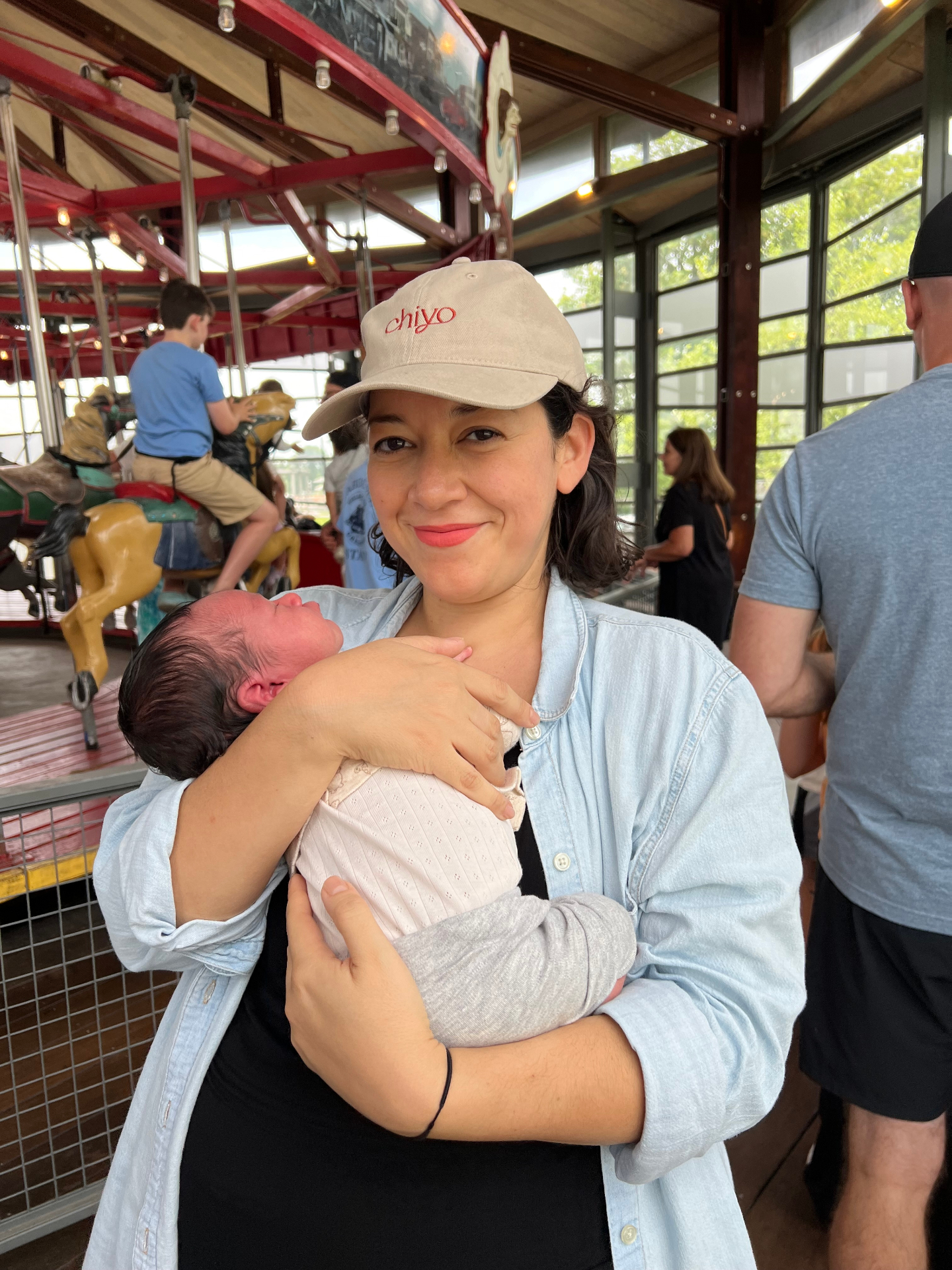
Me and Benicio, June 2024. Becoming a mother for the second time deepened my understanding of how much care, nourishment, and support women truly need.
I — Background
The Joy of Bringing People Together.
I’ve spent my career creating experiences, systems, and relationships that help people feel connected, supported, and part of something larger than themselves.
At CreativeMornings, I led a global network of 1,500+ volunteer organizers across 200+ cities, building systems, onboarding experiences, communication rhythms, resources, and support structures that helped local leaders feel connected to a shared mission.
During my time there, the chapter network expanded into 125+ new international markets, and I supported the production of 60+ NYC events. Throughout COVID, we transitioned the entire global network to virtual programming while maintaining partner KPIs and chapter engagement.
At Sana Sana Social, I founded and now run a NYC-based community centered around wellness, personal growth, and meaningful connection. I produce monthly events for 30–40 attendees, with roughly half of every event’s audience returning from previous gatherings — a sign that the community is becoming a place people genuinely come back to, not just a one-time experience. Across the series, a core group of 20 attendees has come to three or more events, with two attending nearly every one. I curate and vet speakers across wellness and personal growth, have grown the newsletter to 400+ engaged subscribers entirely through organic word-of-mouth, and have secured brand partnerships with Sakara, BTR Nation, Niteswim, Daily Crunch, and Sana Sana by Jarritos, alongside venue partnerships with Parsley Health, The Lanby, Luminary, and BrainStation — many of which sit at the intersection of wellness and women’s health.
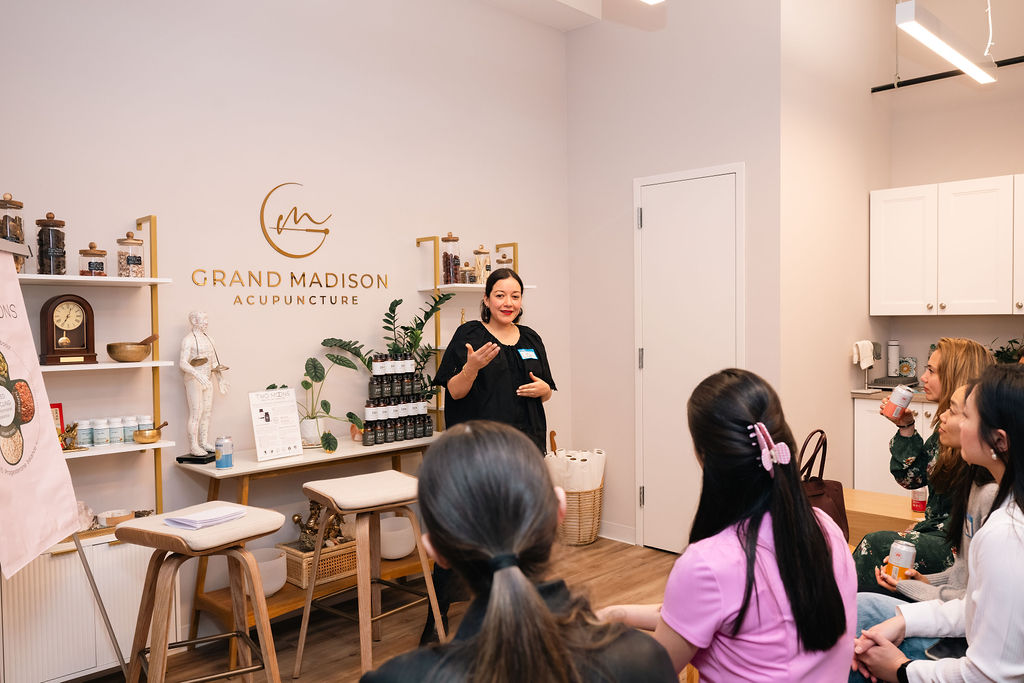
What draws me to Chiyo’s Head of Community role is how naturally it brings together so many parts of my background: community leadership, relationship building, events, storytelling, partnerships, and city-by-city growth. The opportunity is not simply to grow an audience, but to cultivate a trusted ecosystem of practitioners, mothers, advocates, and community leaders who feel deeply connected to the mission and to one another.
I also bring a genuine love of writing and storytelling. Long before writing became “content strategy,” I ran a blog with my sisters where we documented life, culture, identity, and personal growth. We even had a series called Dreamy Dames, where we highlighted women we were inspired by and shared short reflections on why their work, style, or perspective resonated with us. Over the years, I’ve continued writing through personal newsletters and reflections now archived on Substack. That instinct to notice, reflect, and shape stories is something I’d bring to both Chiyo’s editorial voice and its community experience.
II — Approach
How I would approach the role at Chiyo.
I would approach this role as both a builder and a steward.
Chiyo already has the most important foundation: a mission people can genuinely believe in, a service rooted in nourishment and trust, and a network of practitioners, customers, and advocates who are closely connected to the life moments Chiyo exists to support. The opportunity now is to turn that existing trust into a more intentional community ecosystem — one that can grow across cities, deepen practitioner relationships, introduce more women to the Chiyo experience through shared meals and gatherings, and still feel warm, intentional, and personal.
The timing of this role also feels meaningful. Chiyo joining Epicured this year marks a real shift — from a beloved DTC brand to part of a healthcare company solving chronic disease through nutrition, with the evidence-based credibility and reach to bring food-as-medicine to more women, through more channels, with insurance behind it. That changes what community needs to do. The opportunity is no longer only to grow a brand-loyal audience, but to build trust with the practitioners and patients who will encounter Chiyo through new clinical pathways. I’d want to be thoughtful about preserving Chiyo’s intimacy and cultural rootedness while building a community ecosystem that can credibly sit alongside a healthcare parent company.
I would begin by listening closely and mapping what already exists. In the first 30 days, I’d want to understand the full community landscape: current ambassadors, birth workers, practitioners, customers, city leads, brand partners, referral sources, and past event attendees. I’d look at where energy already exists, where people feel under-supported, what drives conversion, and which relationships have the potential to become long-term community anchors.
Before getting to specific priorities, a note on measurement. Community work is often dismissed as soft because the wrong things get measured. At CreativeMornings, I learned that the most useful metrics weren’t vanity numbers — they were the ones that told us whether organizers felt supported, whether chapters retained leaders year over year, and whether new markets reached a sustainable rhythm. At Chiyo, I’d want to build that same measurement discipline from day one: ambassador retention and reach, event NPS and conversion to Chiyo programs, content engagement and contributor pipeline health, and qualitative signal from the community itself. The point isn’t to produce reports. It’s to make the program smarter every quarter.
From there, I’d focus on four connected priorities:
- 01
Turn the ambassador program into a relationship-driven growth engine.
Every strong community has a small group that shows up consistently — at Sana Sana, that's the 20 attendees who have come to three or more events. The job of a great ambassador program is to identify those people early, give them a way to participate more deeply, and let their enthusiasm shape how the community grows. At Chiyo, I'd treat ambassadors not as a promotional channel, but as trusted partners. That means thoughtful recruitment and onboarding, updated resources, product education, referral support, storytelling guidance, and regular opportunities for connection and collaboration. I'd also think carefully about how ambassador tiers, recognition, and incentives can create a sense of momentum, belonging, and long-term investment in the community. I'd want every doula, midwife, dietitian, lactation consultant, postpartum coach, and maternal health advocate to understand not only what Chiyo offers, but how to speak about it with warmth, clarity, and confidence in a way that feels aligned with their own practice and community.
- 02
Build a city-by-city community model that can scale without feeling generic.
Chiyo's events have the potential to become signature rituals: intimate, nourishing gatherings where people not only connect with one another, but experience firsthand the level of thoughtfulness behind the brand. The meals themselves are part of what makes Chiyo so memorable — chef-crafted, deeply comforting, beautifully prepared food that people genuinely look forward to sharing together. I'd create a clear event playbook for Chiyo Supper Club, Moms Off Duty, and future formats while leaving room for each city to feel locally rooted. The goal would be a repeatable infrastructure that supports city leads, facilitators, venues, partners, and practitioners while preserving the intimacy and intention behind each experience.
- 03
Use storytelling to make the community visible.
Chiyo sits at the center of so many powerful stories: fertility, postpartum recovery, nourishment, identity shifts, generational health, and the invisible labor of care. I'd build a contributor pipeline of customers, practitioners, ambassadors, and thought leaders, creating short, thoughtful pieces that feel useful, intimate, and distinctly Chiyo. The editorial layer should not feel like content for content's sake. It should deepen trust, surface community wisdom, and help people see themselves reflected in the brand.
- 04
Create feedback loops that make the community smarter over time.
Community should not only create warmth. It should create insight. I'd build simple systems to track what we're learning from ambassadors, event attendees, practitioners, customers, and city leads: what questions keep coming up, what moments convert, what content resonates, what support people need, and where new opportunities are emerging. That information should actively shape programming, partnerships, ambassador support, messaging, and long-term community growth. Concretely, I'd want a simple dashboard the team can read in five minutes: ambassador activity and retention by tier, event attendance and post-event NPS, conversion from event attendees and ambassador referrals into Chiyo programs, contributor pipeline health for the blog, and a recurring qualitative pulse from city leads. The discipline isn't fancy — it's making sure we look at the same numbers every month and let them shape what we do next.
III — Personal note
Why Chiyo matters to me.
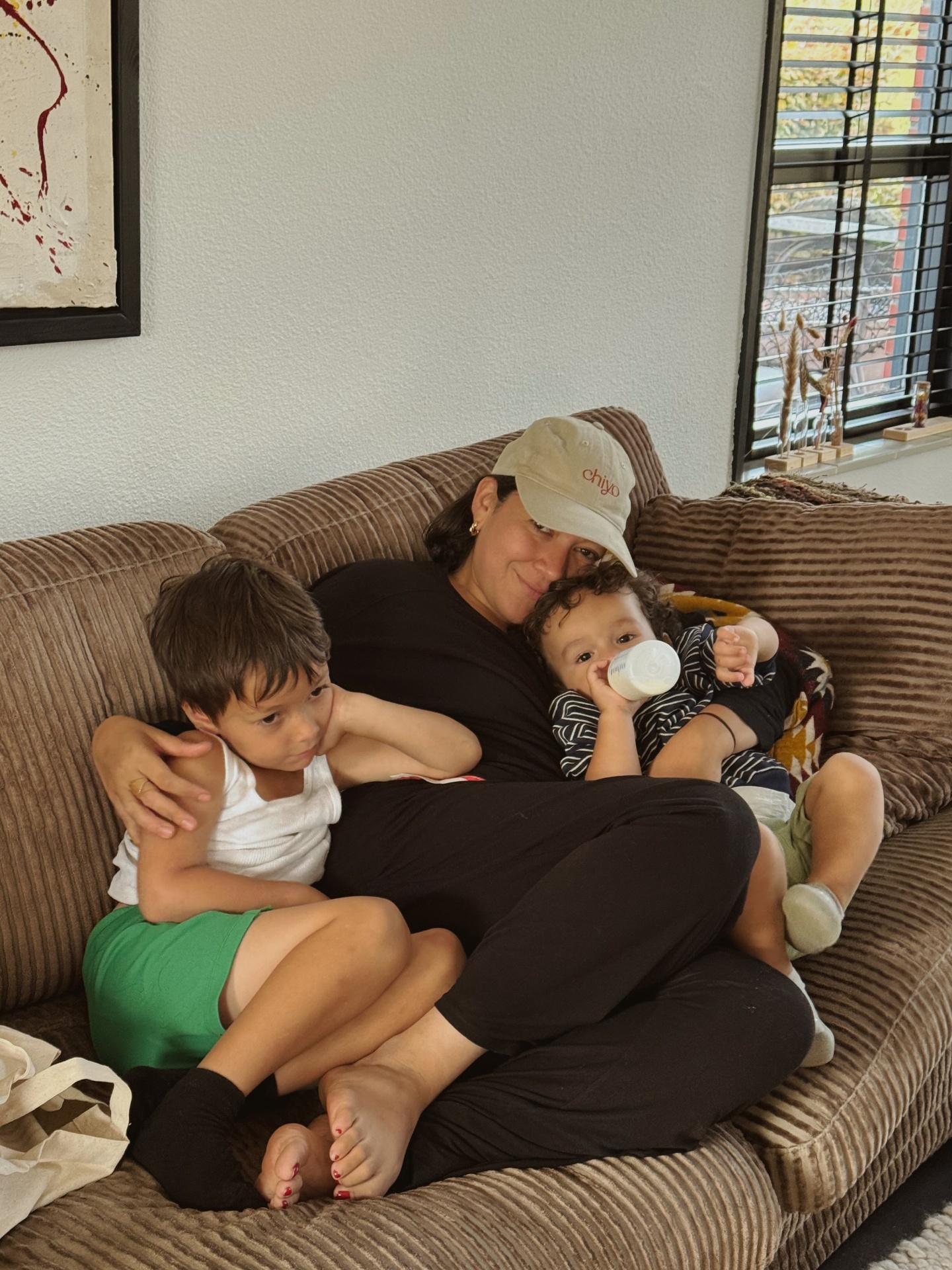
In 2018, my wife and I began trying for our first child.
Because we were a queer couple, there were extra steps, extra appointments, extra costs, and a lot of private emotional labor behind the scenes. Our midwife referred me to an acupuncturist and herbalist, and for nearly nine months before my first IUI, I went to weekly acupuncture appointments and took Chinese herbs.
Traditional Chinese Medicine became an important part of my fertility journey and overall well-being during that season of my life. Our first son, Raffi, was born in August 2019, and following a similar path, I later became pregnant with our second son, Benicio, in 2024.
That’s why Chiyo feels personal to me. The ancestral knowledge underneath your work is not a marketing layer. It connects deeply to my own experience of becoming a mother and reminds me how much women need support that is practical, nourishing, culturally rooted, and grounded in real life.
When I was trying to conceive and navigating early motherhood with Raffi, I would have loved something like Chiyo. By the time I was pregnant with Benicio, I had discovered the brand and immediately felt drawn to the warmth of the mission and the way you approach nourishment, recovery, and support for mothers.
A big reason I created Sana Sana Social is rooted in that same belief system. I believe deeply in the power of community, gathering in person, and creating spaces where people feel supported, connected, and less alone. Some of the most meaningful moments in life happen when people come together to share stories, care for one another, and feel understood in their experiences.
That’s what makes Chiyo feel so special to me. Beyond the product itself, there’s an opportunity to build real connection and belonging around motherhood, nourishment, recovery, and care. Being part of building that experience for other women and families would feel incredibly full circle to me.
IV — In closing
Building What Chiyo Can Become.
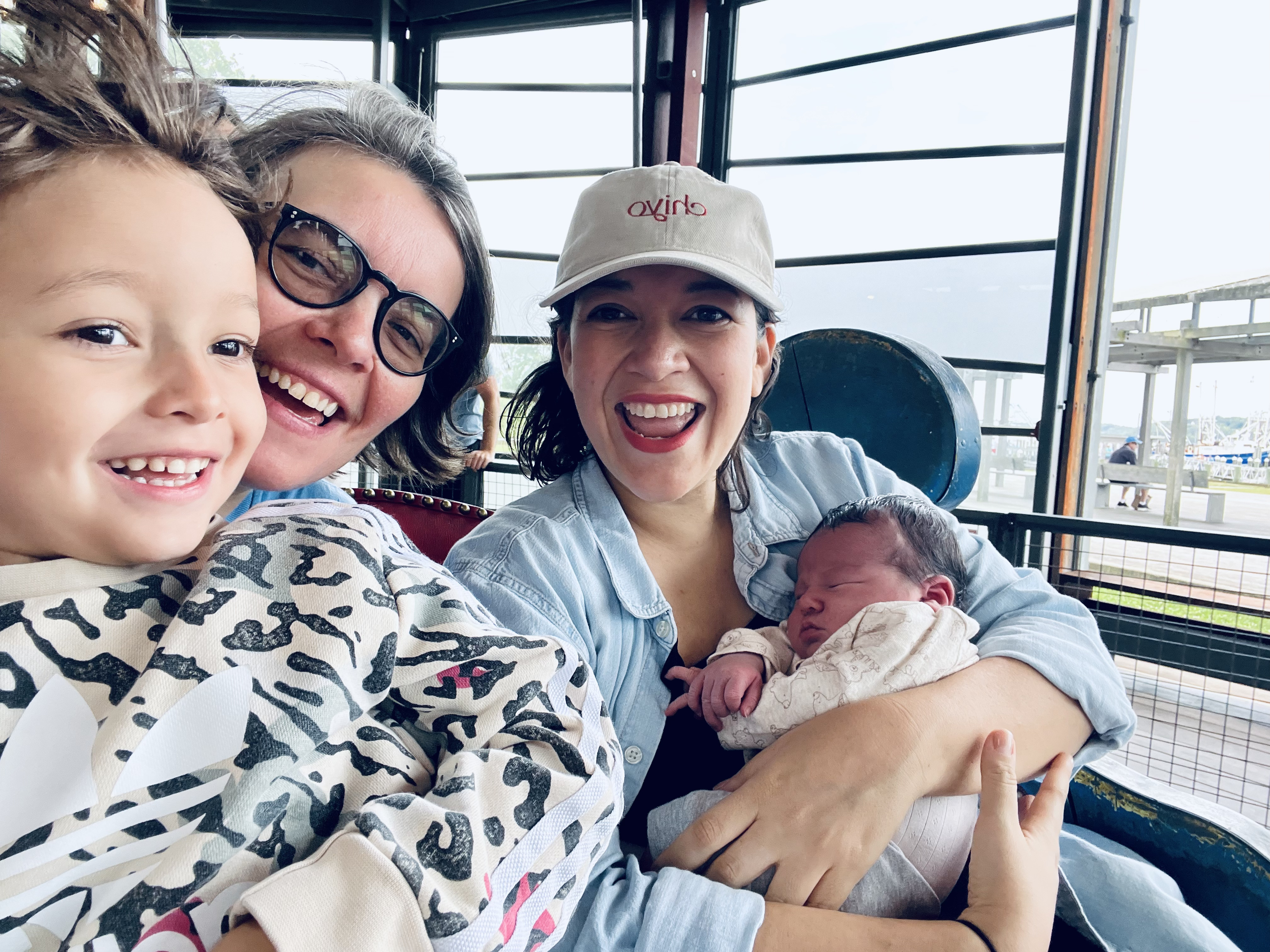
I believe community matters differently in maternal health than it does in many other industries. Pregnancy, fertility, postpartum recovery, and early motherhood can be incredibly vulnerable and isolating experiences. People are not simply looking for information; they are looking for reassurance, recognition, nourishment, and support. The opportunity for Chiyo is not only to provide meals, but to help women feel genuinely cared for during one of the biggest transitions of their lives.
The throughline would be simple: build the systems that help Chiyo grow, while making every person in the community feel personally held.
Thank you for taking the time to read through this.
This role feels deeply aligned with both my professional background and the kind of work I want to continue building more of: thoughtful community experiences rooted in care, connection, and real human relationships.
Available for the role as structured: part-time contract with the intention to transition into full-time.